
Walk into a modern convenience store today and you might find yourself ordering a made-to-order breakfast sandwich, customizing a fresh salad bowl, or grabbing a craft coffee that rivals your neighborhood café. This isn’t your grandfather’s gas station—it’s the front line of what industry observers are calling “the Foodvenience Revolution.”
As convenience stores transform into modern retail powerhouses, they’re no longer simply located near gas pumps—they’re embedded in the rhythm of daily life. From fresh breakfast sandwiches to hot lunch options and locally inspired snack assortments, c-stores are stepping into territory once dominated exclusively by quick-service restaurants.
The stakes are high. With transaction counts inside stores flat at best, according to NACS Research, operators must maximize revenue per visit while navigating labor shortages, rising operational costs, and intensifying competition from traditional restaurants fighting back with aggressive value propositions.
But this challenge also represents an unprecedented opportunity. As QSR prices climb and consumers become more value-conscious, convenience stores are uniquely positioned to capture market share through strategic investments in foodservice, technology, and customer experience. Here are the defining trends reshaping the convenience retail landscape in 2026.
C-Stores Now Own Breakfast, Challenging Traditional QSRs
Perhaps the most transformative shift in convenience retail is the aggressive repositioning of c-stores as legitimate breakfast destinations. C-stores are stepping up their breakfast games, with major chains debuting breakfast lineups that could easily be mistaken for fast-casual restaurant offerings.
7-Eleven’s recent breakfast launch exemplifies this evolution: pearl sugar-studded Belgian waffle breakfast sandwiches, Waffle Tots for $1, and El Gran Tocino Breakfast Tacos demonstrate the sophistication level c-stores are achieving. At breakfast, consumers typically want speed, predictability, and value—attributes that play directly to convenience stores’ core strengths.
The demand is substantial and growing. Research shows that 66% of customers wish they could get made-to-order food from a convenience store, with Gen Z showing a particularly strong appetite for this option at 72%. The global breakfast food market’s growth from $210 billion in 2026 to $255 billion by 2030 creates a massive opportunity for operators who can execute well.
The Technology Enabler
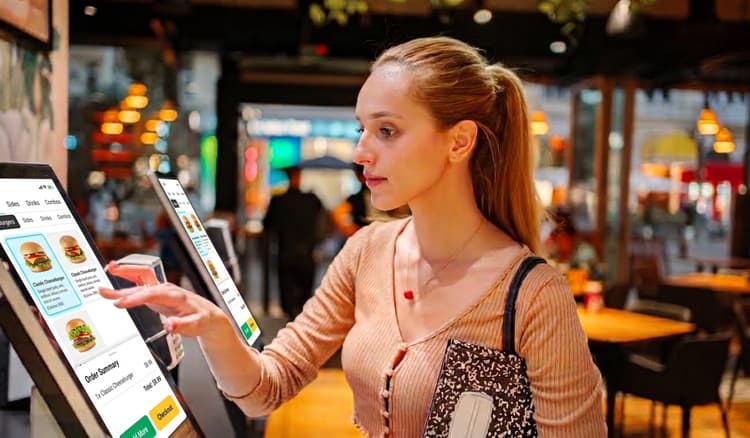
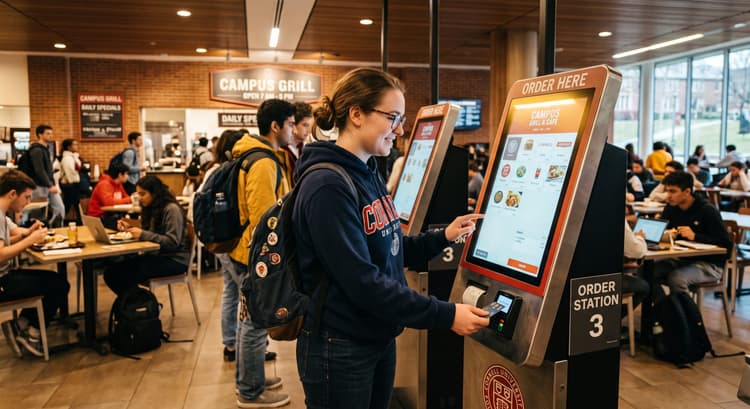
Self-service kiosks serve as the critical technology enabling breakfast program scalability. These systems manage morning rush complexity while maintaining the speed customers demand, allowing limited staff to focus on food preparation and quality control rather than order-taking. For operators, kiosks solve the dual challenge of labor efficiency and order accuracy during peak periods.
“In convenience stores, reliability is the top priority. Many locations operate 24/7 and experience sustained, high-traffic usage, which places significant wear on hardware,” explains Jared Epstein, Account Executive at Frank Mayer. “We’re seeing strong demand for both self-checkout and self-order kiosks as C-stores expand foodservice offerings. In many cases, they’re starting to resemble QSR environments – something that’s obvious when you look at brands like Wawa, where speed, consistency, and uptime are critical.”
Extended breakfast hours allow c-stores to capture late-morning and “second breakfast” occasions that traditional restaurants often miss, with some locations serving breakfast items well into the afternoon—a flexibility impossible for labor-constrained QSRs with fixed daypart transitions.
AI-Driven Operations Transform Back-of-House Efficiency
After showing initial hesitancy with artificial intelligence, convenience retailers are now embracing c-store-specific AI technologies rather than generic solutions that could work across any industry. The focus is on practical applications that directly impact profitability and operational efficiency.
Computer Vision for Waste Reduction
Stinker Stores’ February 2025 implementation of AI-powered camera vision to monitor roller grills represents the new generation of foodservice optimization. The system records which items sell and when, using that data to create actionable plans that improve sales while reducing waste—a critical capability given the slim margins in prepared food programs.
“AI is at the top of the list, especially the evolving data infrastructure and governance requirements that come with deploying AI platforms effectively,” notes Tom Colbert, VP of IT at Kwik Trip, in discussing what retail technology trends to watch in 2026.
Predictive Analytics for Inventory Management
Leading c-stores are using predictive analytics and store-level retail data to determine which fresh offerings to prepare each morning, implement dynamic pricing to optimize margin while reducing waste, and maintain real-time inventory visibility to ensure product availability. This operational intelligence transforms fresh food programs from money-losing gambles into profitable differentiators.
Customer Tracking and Experience Optimization
Some operators are implementing AI-driven customer tracking systems that monitor movement patterns throughout the store. “There are systems using AI that allow store operators to track customer movements in the store and locate the most traveled paths throughout the store,” explains Mike Gilligan, president of Gilligan’s Retail. “With this information, we can tailor our product offering depending on where the customer shops.”
Retail Media Networks Are The New Revenue Frontier
Retail media networks represent perhaps the most significant untapped revenue opportunity for convenience retailers in 2026. RMNs are projected to generate $89 billion by 2026, up from $46 billion in 2023, yet convenience stores have lagged behind other retail segments in developing these high-margin advertising businesses.
The C-Store Advantage for Retail Media
Convenience stores present unique characteristics that make them excellent candidates for highly effective RMNs, particularly in physical stores. C-store sales are driven by impulse, immediate-consumption purchases where shoppers are looking for inspiration during the shopping trip. This creates prime opportunities for point-of-decision advertising.
Several major chains have launched successful retail media programs:
- 7-Eleven’s Gulp Media Network focuses on “immediate consumption purchase occasions” with coast-to-coast reach
- Casey’s expanded partnership with GSTV adds video content to fuel dispensers at 2,900 stores across 19 states
- Love’s Travel Stops launched its retail media platform serving ads on fuel pumps and in-store digital screens across 660+ locations
- Wiegel’s Milk Crate Retail Media Network offers ad inventory across apps, websites, video, and social media
- EG America’s retail media network, using digital screens and loyalty data, has delivered “meaningful sales lift” for CPG partners
Early results validate the model. Products advertised through c-store retail media see average sales lifts of 5-9% during campaigns, with one 7-Eleven Slurpee promotion raising unit sales by 11% during activation.
The Infrastructure Investment
“I expect launches in 2026 to more than double what we saw in 2025,” predicts Matt Riezman, partner at NexChapter. “What’s particularly interesting is how this is forcing c-store retailers to professionalize their marketing operations almost overnight. They’re hiring talent from consumer packaged goods and traditional retail, building out ad tech stacks and fundamentally rethinking their relationships with suppliers.”
Dover Fueling Solutions’ launch of 4Court Media represents the next evolution, allowing c-store chains to integrate their own promotional content alongside national ads on fuel dispenser screens. The company’s research shows retailers plan to significantly increase investment in promotion and advertising technology (36%) and digital signage (34%) over the next two years.
Third Place Positioning with Premium Environments
Convenience stores are becoming more than places to shop—they’re becoming places to stay. An increasing number of retailers are introducing café-style seating, curated product assortments, and enhanced store designs that make the environment feel more intentional and community-driven.
The European Model Comes to America
Retailers such as Shell Café and Rusty Lantern are setting the pace with formats that look and feel more like boutique cafes than traditional gas stations. Rutter’s 1747 store features multiple screens, sports tickers, and a full bar, exemplifying how c-stores may fill the growing need for third places in 2026.
This strategy particularly resonates with younger shoppers who see retail spaces as extensions of their lifestyle. They want environments that reflect their values and offer more than transactional utility. The investment in ambiance, comfortable seating, premium WiFi, and work-friendly environments positions c-stores as community gathering spaces beyond fuel stops.
The Business Model Evolution
This “third place” strategy allows c-stores to capture different dayparts and occasions:
- Morning coffee meetings
- Remote workers seeking afternoon workspaces
- Evening social gatherings
- Study sessions for students
Each represents an occasion that traditional convenience stores rarely captured. The investment in environment and amenities is justified by higher average transaction values and increased visit frequency from customers who view the location as a destination rather than just a pit stop.
EV Charging Infrastructure Reshapes Store Design and Economics
The proliferation of electric vehicle charging stations is fundamentally changing convenience store customer behavior, facility design, and revenue models. Extended dwell times of 20-30 minutes during charging sessions create both challenges and opportunities for operators.
From Quick Stop to Destination Visit
Traditional c-store visits average 3-5 minutes. EV charging extends this to 20-30 minutes, requiring completely different facility design and service models. Leading operators are responding with:
- Premium food offerings designed specifically for charging customers with time to enjoy a meal
- Digital ordering integration, allowing customers to place orders from their vehicles for pickup
- Comfortable seating areas with power outlets, WiFi, and work-friendly environments
- Entertainment options, including gaming areas, premium coffee bars, and retail boutiques
The key insight is designing the experience around the customer’s need state during the charging period rather than optimizing for speed-of-service. This fundamentally different approach requires new facility layouts, staffing models, and product mix strategies.
The Revenue Opportunity
While fuel margins provide baseline profitability, the real opportunity with EV charging comes from maximizing in-store purchases during extended dwell times. Operators who successfully convert charging customers into foodservice customers can achieve significantly higher per-visit revenue than traditional fuel transactions.
Self-Checkout and Cashierless Technology Scale Rapidly
Self-checkout transactions are expected to make up nearly 40% of all retail transactions globally by 2026, driven by consumer demand for speed and control. But c-stores are pushing beyond traditional self-checkout toward fully cashierless shopping experiences.
Just Walk Out Technology Goes Mainstream
Reitan Convenience Estonia’s R-Kiosk locations exemplify where the technology is headed. Customers enter using a bank card or mobile app, grab what they need, and walk out—no checkout lines, no waiting. Behind the scenes, AI-powered sensors and cameras track product movements in real time, automatically updating each shopper’s virtual cart.
“Innovation touches every part of the retail experience, even if customers only see a fraction of what’s happening behind the scenes,” says Tiia Ilves, CEO of Reitan Convenience Estonia. “Technology helps us create a more intuitive shopping journey. But it also means keeping both staff and customers informed and comfortable with these new tools.”
Smart Shelves and Inventory Intelligence
According to McKinsey research, retailers using smart shelf technology can reduce out-of-stock rates by up to 30% and cut manual inventory checks by nearly 40%. In stores where customers expect to grab what they need and go immediately, these improvements directly impact revenue.
Smart shelves automatically flag when items are running low or misplaced, helping staff keep shelves filled without constant manual checks—particularly critical for fast-moving essentials like bottled drinks, snacks, and ready-to-eat meals. Some retailers are tapping into behavioral data captured by shelf sensors to understand what draws attention, what gets picked up and put back, and using these insights to optimize product placement and pricing strategies.
Age Verification Automation
As self-checkout expands, age verification for restricted items becomes critical. Advanced systems can flag suspicious IDs, maintain audit trails for regulatory compliance, and integrate with existing POS and inventory platforms. Biometric and ID scanning reduce both labor requirements and compliance risk.
Labor Optimization Through Strategic Technology Investment
Finding and retaining good employees remains one of the biggest operational challenges in the convenience space, with labor costs rising, turnover remaining high, and customers expecting consistent service regardless of staffing levels.
The Foodservice Hiring Challenge
As c-stores invest heavily in foodservice to compete with QSRs, they face a critical challenge: “Training somebody just to do the register—which I’m not really a proponent of—is relatively easy. Training someone to work in a QSR is a lot harder,” notes retail consultant Jeff Keune.
The focus on foodservice quality forces operators to change hiring and training practices. Although seeking more food-qualified workers narrows the talent pool, it can improve retention by attracting employees seeking skills development and career progression rather than just temporary work.
Technology as Labor Multiplier
Rather than replacing workers, successful c-store technology deployments multiply worker effectiveness. Solutions that integrate into existing operations without requiring additional headcount, extensive training, or new point-of-sale systems drive revenue growth without increasing operating costs.
Examples include:
- AI-powered scheduling systems that optimize shift coverage based on predicted demand
- Automated inventory tracking that reduces time spent on manual counts
- Self-service kiosks that allow staff to focus on food preparation and customer service
- Computer vision systems that monitor equipment performance and flag maintenance needs
The Cultural Imperative
Keune emphasizes that QSRs often have stronger employee cultures than convenience retailers because restaurants prioritize employees over growth initiatives or product launches. “Make sure that [employees] are set up for success, because that’s the key, as much as anything else,” he advises. “Set up for success and then recognize and compensate for jobs well done.”
Technomic’s 2026 Foodservice Trends Forecast predicts labor challenges will intensify as policy, economic, lifestyle, and demographic factors conspire to reduce the available pool. U.S. labor participation among 16-19 year-olds has declined from 53% in 1994 to 37% in 2024, with forecasts showing a further drop to 35% by 2034.
Digital Visibility and Personalized Promotions Drive Traffic
Today’s customers plan every stop on their phones—checking prices, looking for deals, and comparing locations before they ever get in the car. Retailers that meet customers in these digital moments are winning transactions competitors never see.
The Shift to Intentional Shopping
One of the biggest changes in consumer behavior is the shift from impulse-driven convenience store visits to intentional, planned trips. Customers are shopping strategically, making deliberate choices about where to spend money based on value perception, available promotions, and overall offering quality. This means a store’s digital visibility and value communication matter more than location alone.
Loyalty Programs as Revenue Drivers
Loyalty members visit more frequently and spend more per visit, while providing valuable customer data that enables targeted marketing. Digital loyalty programs allow operators to:
- Track purchase history and preferences at the individual level
- Deliver personalized promotions based on buying patterns
- Test and optimize promotional strategies in real-time
- Measure campaign effectiveness with precision
- Build direct communication channels with customers
Retail Media Integration
The most sophisticated operators are integrating loyalty data with retail media networks, creating closed-loop attribution that demonstrates promotional ROI to CPG brand partners. This data-driven approach transforms convenience stores from simple product distributors into strategic marketing partners capable of driving measurable results for suppliers.
The Path Forward: Operational Excellence at Scale
The convenience stores thriving in 2026 share common characteristics that transcend any single trend or technology:
1. Data-Driven Decision Making
Leaders are using predictive analytics, computer vision, and AI-powered systems to make smarter operational decisions. They understand local demand patterns, optimize inventory in real-time, and adjust strategies based on measured results rather than intuition.
2. Customer-Centric Technology
Technology investments are guided by customer needs rather than industry hype. Self-checkout, mobile ordering, and digital loyalty programs are deployed because customers demand them and because they demonstrably improve experience and profitability—not because they’re trendy.
3. Foodservice as Core Strategy
The most successful operators have moved beyond viewing foodservice as a nice-to-have add-on. Foodservice is now a primary draw that generates 27.7% of in-store sales and nearly 40% of gross margin, making it one of the most important profit drivers for the channel.
4. Revenue Diversification
Rather than relying solely on fuel margins, leaders are building multiple revenue streams through foodservice, retail media networks, EV charging, and premium merchandise programs. This diversification provides resilience against volatility in any single category.
5. Operational Discipline
Excellence in execution separates winners from losers. This means maintaining consistent food quality, ensuring equipment uptime, managing labor efficiently, controlling inventory waste, and delivering reliable customer experiences across all dayparts and locations.
The Technology Partner Imperative
For convenience store technology providers, this environment presents a significant opportunity. Solutions that work seamlessly across multiple foodservice formats, adapt to each operator’s unique requirements, deliver measurable ROI through increased check sizes and improved accuracy, and integrate smoothly with existing systems will be essential partners for operators navigating this transformation.
The technology that wins won’t be the flashiest or most futuristic—it will be the solutions that solve real operational problems, work within operators’ existing infrastructure, and deliver results from day one. As c-stores continue blurring the lines with traditional restaurants, the ordering and payment technologies that enable efficient, accurate, and profitable foodservice operations will become increasingly critical.
Key Data Points
Foodservice Revenue Performance:
- Foodservice accounts for 27.7% of in-store c-store sales and 38.6% of in-store gross margin (Restaurant Business)
- Products advertised through retail media networks see 5-9% sales lift during campaigns (C-Store Dive)
- 66% of customers want made-to-order food from convenience stores, with 72% of that demand coming from Gen Z (CStore Decisions)
Consumer Behavior & Technology:
- Self-checkout transactions expected to reach 40% of all retail transactions globally by 2026 (LS Retail)
- Global breakfast food market valued at $210 billion in 2026, growing to $255 billion by 2030 (Tastewise)
- Transaction counts inside c-stores remain flat, driving focus on per-visit revenue optimization (C-Store Dive)
Retail Media Networks:
- Retail media networks projected to generate $89 billion by 2026, up from $46 billion in 2023 (Convenience Store News)
- Dynamic planograms deliver 12-20% category sales uplift (CSP Daily News)
- Retail media ad spending to hit $106 billion globally by 2027 (Gable)