
The convenience store (c-store) industry is experiencing a breakfast boom that’s reshaping the competitive landscape. Morning meal traffic to food-forward convenience stores climbed 9% in the three months ended in July, while visits to fast-food chains rose just 1% in the same period—a dramatic shift that signals c-stores are winning the battle for America’s most important meal.
This breakfast surge comes at a critical time for the industry. Foodservice rose to nearly 29% of in-store revenues and 40% of gross profits in 2024, helping offset declining cigarette and fuel sales. But capturing this opportunity requires more than just adding breakfast sandwiches to the menu. It demands operational excellence during the most challenging hours of the day.
Enter self-service kiosks—technology that’s becoming essential for c-stores looking to capitalize on breakfast demand while navigating persistent labor constraints and heightened consumer expectations.
Key Data Points
- Morning meal traffic to food-forward c-stores increased 9% in Q2 2024, compared to just 1% growth for fast-food chains
- Foodservice reached 29% of c-store in-store revenues and 40% of gross profits in 2024
- Self-service kiosks reduce total order time by 40% in quick-service environments
- 99% order accuracy rate achieved through self-service technology
- 10-30% increase in average order value when customers use kiosks versus traditional ordering
- 66% of U.S. consumers prefer kiosks over staff interaction, citing speed and reduced stress
- 61% of users want more kiosks in restaurants, up from 36% in 2023
Why Breakfast Is the New Frontier for Convenience Retail
The morning daypart has become a strategic battleground for c-stores, driven by fundamental shifts in how Americans start their day. People are increasingly consuming breakfast foods later in the day, with many eating multiple times during the morning due to increased commuting and time-crunched schedules.
This “all-day breakfast” phenomenon expands the opportunity beyond traditional morning rush hours. Most customers visit the gas pump during morning and evening rush hours, on their way to and from work, presenting the perfect opportunity for c-stores to sell them breakfast or dinner.
The competition is fierce. C-stores aren’t just competing with each other—they’re going head-to-head with QSR giants like McDonald’s, Starbucks, and Dunkin’. Chicken breakfast sandwiches have become popular as convenience stores try to pull traffic away from quick-service restaurants. But c-stores face a unique challenge that QSRs don’t: managing breakfast service alongside fuel operations, lottery sales, and merchandise during peak traffic periods.
Convenience stores see peak traffic during morning commute hours from 6-9 AM and the lunch rush from 11:30 AM to 1 PM. During these windows, every second counts for time-pressed commuters.
Self-Service Technology Solves the Morning Rush Challenge
Self-service kiosks address the core operational pain points that c-stores face during breakfast hours, transforming how they serve customers without requiring dramatic increases in labor.
Speed and Throughput
When morning customers are rushing to work, wait times become make-or-break decisions. Self-service kiosks in quick-service restaurants reduce total order time by nearly 40%, encompassing everything from when customers begin ordering to when items are ready for pickup.
This speed advantage is critical for c-stores. If the line to order from a cashier is longer than 5 people, 75% of customers would choose to order from a self-service kiosk, and if the line is 10 people long, 91% say they would rather order from a kiosk. For c-stores competing with drive-thru QSRs, this efficiency can mean the difference between capturing or losing a customer.
Order Accuracy
Complex breakfast orders—customized sandwiches, specific coffee modifications, dietary preferences—create opportunities for miscommunication when relayed verbally to staff. Self-service kiosks eliminate this friction by putting control directly in customers’ hands.
Self-service technology contributes to a 99.7% order accuracy rate, reducing wait times and improving guest satisfaction. When customers input their own orders, they see exactly what they’re getting, reducing remakes and food waste while improving satisfaction.
Labor Optimization
The breakfast rush creates a staffing dilemma: c-stores need maximum coverage during a narrow window, but can’t justify keeping extra staff on payroll all day. Kiosks provide a solution by handling order-taking automatically.
This doesn’t eliminate the need for staff—it reallocates them to higher-value tasks. During busy breakfast periods, employees can focus on food preparation, maintaining quality standards, and providing service where it matters most, rather than standing at registers taking orders.
Upselling and Revenue Growth
Perhaps the most compelling business case for kiosks comes from their impact on average order values. Implementing self-service kiosks can lead to a 10% to 30% increase in average order value in quick-service restaurants.
Original Chopshop found that customers spent more per order when using a kiosk, resulting in a 15% increase in average check size—a massive bump to their bottom line.
Kiosks never forget to suggest add-ons. They consistently prompt customers to upgrade to hash browns, add a second breakfast sandwich, or try a specialty coffee drink—upselling opportunities that busy staff might miss during rush periods.
Get Demo
Interested in Kiosks for Your Brand?
Learn how Bite is driving innovation in the QSR, fast casual, and C-store industry. Book a demo with our team of specialists to see how kiosks can increase check size, reduce labor costs, and improve the guest experience.
Get Demo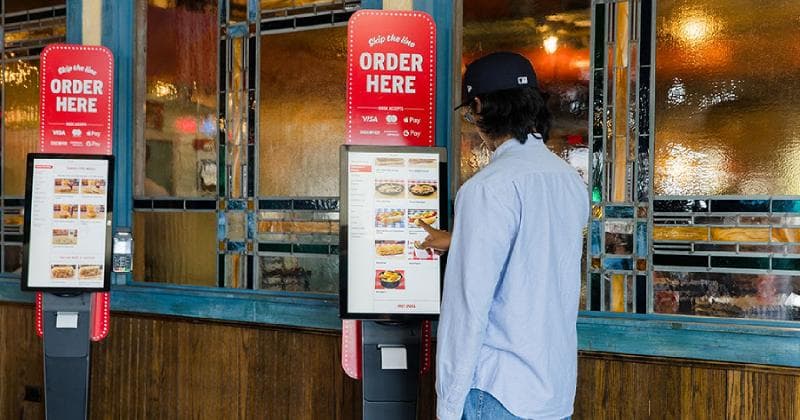
Meeting Consumer Demand for Personalized Breakfast
Today’s breakfast customers expect customization. For instance, Wawa invites customers to create their own hot or iced lattes using its touch ordering screen, enabling shoppers to control the ingredients that go in their drinks, with options including flavors like coconut, pumpkin, or toasted marshmallow, and toppings such as drizzle, graham crackers, or Crème Brulée sprinkles.
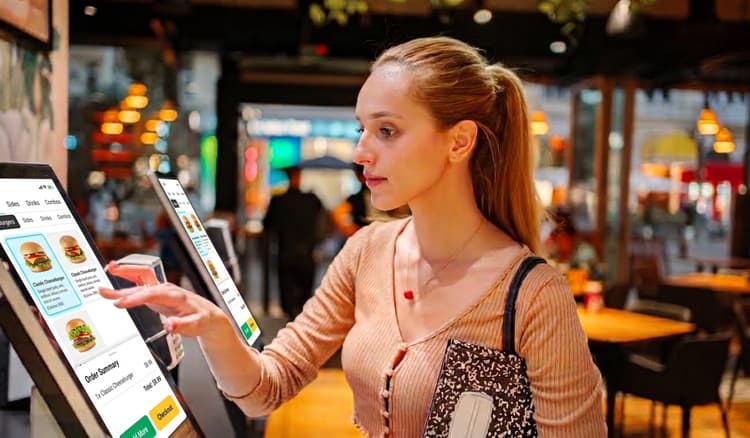
This level of customization poses challenges at the counter, where staff must remember numerous options and input complex orders correctly. Kiosk interfaces excel at managing this complexity through intuitive visual menus.
Customers can browse breakfast sandwich ingredients, explore premium coffee modifications, and build exactly what they want—all at their own pace. The visual presentation showcases premium ingredients and limited-time offerings more effectively than verbal descriptions, naturally encouraging customers to try new items.
Kiosks also integrate seamlessly with loyalty programs such as Punchh and Thanx, remembering customer preferences and offering personalized recommendations based on purchase history. This creates a more tailored experience that keeps customers coming back.
Integration with Existing Systems
Bite’s kiosk solutions are designed to work within c-stores’ existing technology infrastructure rather than requiring complete system replacements. The kiosks integrate with established POS platforms, ensuring that breakfast orders flow seamlessly to kitchen displays and receipt printers while maintaining consistency with other ordering channels.
This integration approach allows c-stores to add self-service capabilities without disrupting operations or losing the technology investments they’ve already made. Orders placed at kiosks sync in real-time with inventory systems, loyalty platforms, and reporting dashboards—providing operators with unified visibility across all channels.
The Path Forward for C-Store Breakfast
The convenience store breakfast opportunity is real and growing, but winning requires both menu innovation and operational excellence. The industry’s overall foodservice sales reached $121 billion in 2024, demonstrating the scale of opportunity available to operators who get it right.
Self-service kiosks provide the speed, accuracy, and customization capabilities that modern breakfast customers expect. But more importantly, they enable c-stores to differentiate themselves from QSR competitors rather than simply mimicking them. As Japanese convenience stores have proven, the winning strategy isn’t copying fast food—it’s offering fresh, quality food designed for everyday consumption. Kiosks make this operationally feasible by handling complex customization and high-volume ordering while staff focus on food quality and preparation.
As breakfast competition intensifies and consumer expectations continue to rise, technology investment is becoming less optional and more essential. C-stores that embrace self-service solutions position themselves to capture more of the breakfast daypart while building the operational foundation for long-term growth.