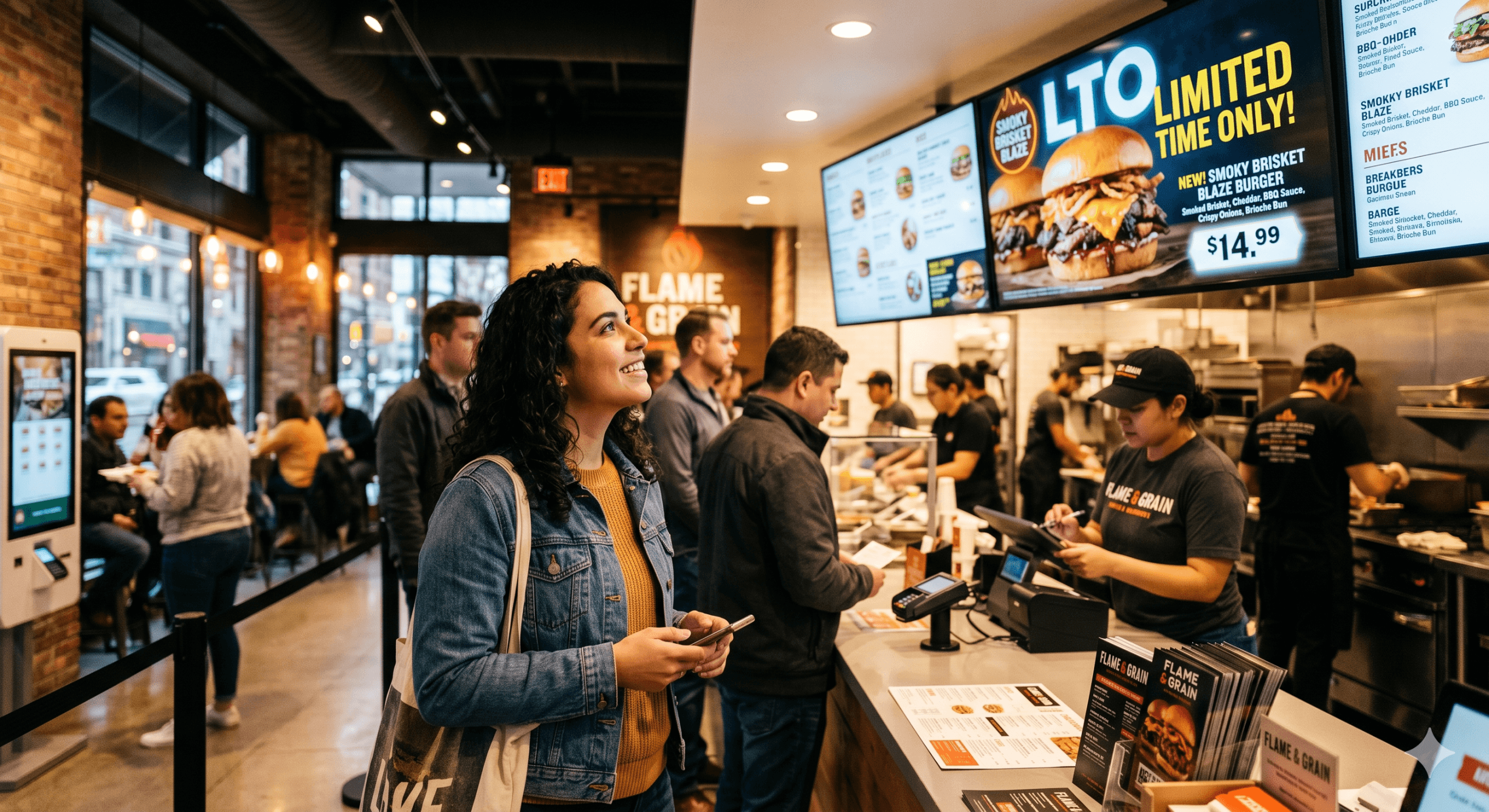

The Limited-Time Offers (LTO) landscape has never been more crowded. According to Technomic data, the number of LTO launches at restaurant chains more than doubled in recent years, rising from 17,790 in 2020 to 36,830 in 2024, and 2025 was tracking even higher at the time the article was written. Across QSR and fast casual, operators are running seasonal promotions at a pace the industry has never seen before.
The case for running LTOs is well established. TouchBistro’s 2025 American Diner Trends Report found that 62% of diners say they’re motivated to visit a restaurant that has a limited-time offer—and that holds across every generation. LTOs drive traffic. That part is working.
The problem is how most operators measure whether they worked. If your post-LTO evaluation starts and ends with sales volume, you’re answering the wrong question. Volume tells you if guests ordered it. It doesn’t tell you if the restaurant made money on it.
That distinction matters more than operators typically acknowledge. The margin opportunity inside a well-run LTO program is real and substantial. But it’s only capturable if it’s designed for from the start—not treated as an afterthought once the item is already on the board.
The Margin Mistake Most Operators Don’t Catch Until It’s Too Late
The most common analytical error in LTO pricing isn’t carelessness. It’s using the wrong metric as the primary lens. Most operators price new items by targeting a food cost percentage: hit 28%, hit 30%, and the item passes the test. The problem is that food cost percentage and contribution margin don’t tell the same story.
Consider a straightforward illustrative example. Item A is priced at $13 with a food cost of $3.90 (30%), producing a contribution margin of $9.10. Item B is priced at $9 with a food cost of $2.25 (25%), producing a contribution margin of $6.75. Item B has a better food cost percentage. Item A generates $2.35 more profit per transaction.
If you engineer your spring LTO to hit a 28% food cost target and it lands at $9, you may be walking away from more than $2 per order compared to a better-priced item at $13—and that gap compounds fast across a high-volume LTO window.
This is a documented pattern in menu engineering literature: a dish with a higher margin percentage but low sales can generate less total profit than a lower-percentage dish that sells in volume, and conversely, a higher-priced item with a slightly higher cost percentage can dramatically outperform a cheaper item on pure dollars contributed. Contribution margin, not cost percentage, is the right framework for evaluating LTO profitability.
The Three Hidden Costs That Eat Your LTO Margin
Once you have the right metric, the next step is making sure you’re measuring the right costs. Three in particular tend to be undercounted in post-LTO evaluations.
Operational Complexity
Every new ingredient, SKU, or prep step added for an LTO carries costs that don’t appear on the recipe card: staff training time, slower throughput, higher error rates, and waste from over-ordering. QSR Magazine’s long-running Drive-Thru Performance Study has consistently documented that menu complexity is one of the primary drivers of slower service times, and that even small increases in order complexity can meaningfully affect throughput. In a format where speed is a core part of the value proposition, that’s a real business cost. The best-designed LTOs lean heavily on ingredients already in the kitchen.
Waste From Over-Ordering
Seasonal ingredients purchased in anticipation of LTO volume don’t always move at the forecasted rate. Waste is a direct margin hit that rarely gets factored into the post-LTO review — operators see strong early sales and call the LTO a success, even if the tail end of the window created significant spoilage. Operators who track waste by item during the LTO run get a much cleaner picture of true profitability.
The Merchandising Gap
An LTO that guests don’t know about, or don’t understand, doesn’t sell — regardless of how well it was engineered on paper. Research consistently points to a lack of information, rather than price resistance, as a primary barrier to LTO trial. The cost of under-merchandising shows up as opportunity revenue: transactions that could have included the LTO but defaulted to the familiar order instead.
How to Design an LTO for Profit, Not Just Traffic
The fix isn’t complicated, but it requires a different sequence. Instead of starting with a menu concept and then checking whether it pencils out, start with the margin floor.
Start With The Contribution Margin Target
Before the item is conceived, set a floor. What does this LTO need to contribute per transaction to justify the additional operational overhead? If the floor is a $9.00 contribution margin and your target ingredient cost is $3.50, your minimum price is $12.50. That number anchors the concept development, rather than trailing behind it.
Build Around What You Already Have
The most profitable LTOs use existing ingredients in new configurations, or add a single high-impact ingredient to an established base. This constrains the creative brief somewhat, but it dramatically reduces operational complexity costs.
Price For Perceived Value, Not Cost Convention
Spring ingredients carry inherently high perceived value. Guests don’t know what asparagus or fresh herbs cost at wholesale, but they know those ingredients feel seasonal and premium. Spring LTOs can often support higher price points than operators assume, particularly when the item is positioned around freshness and limited availability. Don’t let a food cost percentage target set a price ceiling that your guests aren’t actually imposing.
Set Evaluation Criteria Before Launch
Define success upfront: a minimum order volume threshold, a CM floor, an acceptable waste percentage, and an upsell attachment target. This transforms the end-of-window decision—keep it, iterate it, retire it—from an emotional call into an analytical one. It also prevents the common trap of keeping a low-margin LTO running too long because it “feels like it’s doing well.”
The Upsell Layer: Where Kiosk Technology Captures the Profit LTOs Promise
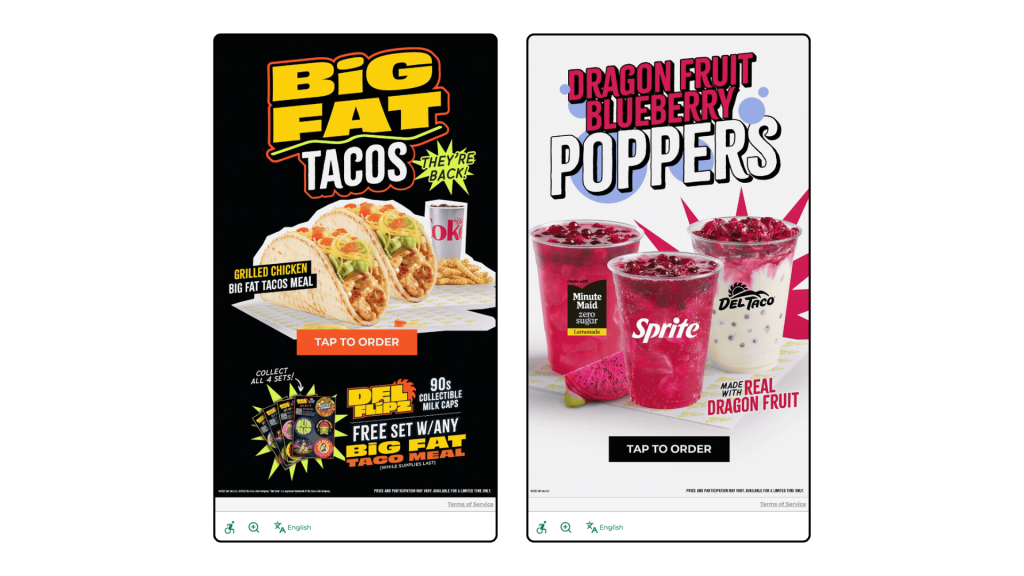
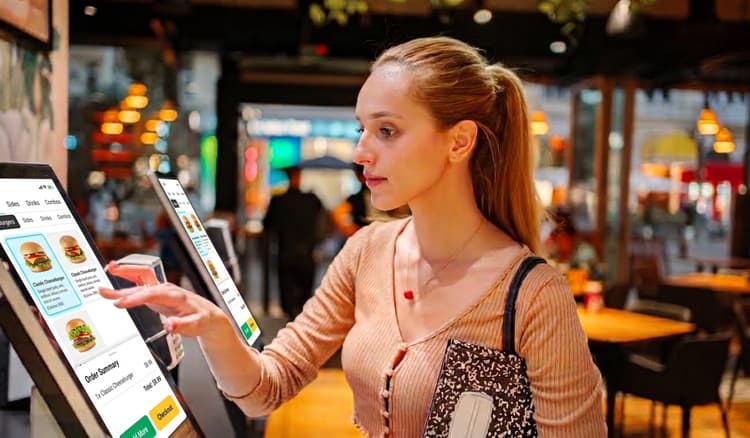
Even a well-designed, well-priced LTO only generates its full margin potential if guests actually order it. In a counter service environment, promotional awareness depends on signage, staff mentions, and timing. At the kiosk, it can be systematic.
AI-driven upsell logic can be configured to surface your spring LTO specifically to guests who haven’t tried it yet, or who have previously ordered similar items. It can prioritize the LTO as a suggested add-on during the window when promotional momentum matters most—typically the first two to three weeks after launch—and deprioritize it as novelty fades. It can also be weighted to push the LTO during slower dayparts, where incremental margin contribution is most valuable.
The kiosk doesn’t replace the LTO strategy. It executes it consistently, at every transaction, without relying on a team member remembering to mention the special or a guest happening to notice a poster on their way to the counter.
Bite Lift is built to do exactly this—surfacing the right item to the right guest at the right moment, so the margin opportunity you built into your LTO doesn’t get left on the table at the point of sale.
The LTO You’re Running Is Probably Worth More Than You Think
The margin opportunity inside most operators’ LTO programs isn’t theoretical. It’s already there. The question is whether it’s being captured through disciplined pricing and margin-first design, or quietly eroded by the wrong success metric, untracked costs, and inconsistent in-restaurant execution.
Running more LTOs won’t close that gap. Running them better will. Request a Bite demo to see how AI upselling supports LTO performance at the kiosk—and start capturing the margin your seasonal program is already generating.