
Key Data Points:
- QSR market valued at $406.17 billion in 2024, projected to reach $662.53 billion by 2029
- Wingstop’s sales jumped nearly 21% year-over-year in Q3
- Chipotle’s same-store sales rose 6% while Cava posted 18% growth
- Labor costs for full-service restaurants have grown by 73.9% since 2017, compared to 60.2% for QSRs
- 71% of customers prefer restaurant-specific apps and websites to third-party solutions
The quick-service restaurant industry stands at an inflection point. Valued at $406.17 billion in 2024, the QSR market is projected to surge to $662.53 billion by 2029—a staggering 63% increase in just five years. But this growth isn’t being distributed evenly. Some brands are capturing outsized market share while others struggle to keep pace, and the difference increasingly comes down to one factor: technology investment.
The question facing every QSR operator today isn’t whether to invest in restaurant technology, but rather which technologies will deliver the greatest competitive advantage in an increasingly crowded marketplace.
The Winners Are Pulling Away
Look at the performance numbers from recent quarters, and a clear pattern emerges. Fast casual chains like Wingstop saw sales jump nearly 21% year-over-year in Q3. Chipotle’s same-store sales rose 6% during the same period, while Cava posted an impressive 18% growth rate.
These aren’t just good numbers—they’re exceptional in an industry where single-digit growth is typically considered strong performance. So what separates the winners from the rest of the pack?
The answer lies in how these brands are leveraging technology to create better customer experiences, streamline operations, and adapt to rapidly changing consumer preferences. As Cava CEO Brett Schulman observes: “As the country gets more diverse, people’s palates are shifting, seeking bolder, more adventurous flavors, and at the same time, they’re more interested in health and wellness.”
Meeting these evolving expectations requires more than just menu innovation. It demands operational excellence, and that’s where restaurant technology investment becomes the key differentiator.
The Labor Cost Challenge
One of the most pressing challenges facing QSRs today is the dramatic rise in labor costs. Since 2017, labor costs for full-service restaurants have grown by 73.9%, compared to a 60.2% increase for quick-service establishments. While QSRs have fared somewhat better, a 60% increase in labor costs over seven years still represents a significant pressure on margins.
This labor cost trajectory isn’t reversing anytime soon. Minimum wage increases continue rolling out across developed countries, and competition for quality employees remains fierce. Traditional approaches to managing these costs—cutting staff hours or reducing service levels—often backfire by degrading the customer experience and driving guests to competitors.
Forward-thinking QSRs are taking a different approach: strategic technology deployment that allows them to do more with their existing workforce while actually improving service quality. This isn’t about replacing human employees wholesale—it’s about using technology to handle routine transactions and tasks, freeing staff to focus on food quality, customer service, and the complex situations that truly require human judgment.
Technology as the Great Differentiator
The QSR brands capturing the most growth share several common characteristics in their approach to technology:
Speed and Convenience
Today’s customers expect fast service, but they also expect convenience and control. Self-service kiosks address both needs simultaneously, reducing order times while giving customers the ability to browse menus, customize orders, and check out at their own pace without feeling rushed by a line behind them.
The impact on throughput is substantial. During peak hours, kiosks can handle multiple transactions simultaneously that would otherwise bottleneck at a single cashier station. This means serving more customers in the same time window without compromising the quality of any individual interaction.
Higher Transaction Values
QSR market trends clearly show that growing revenue isn’t just about serving more customers—it’s about increasing the value of each transaction. Technology enables this in ways that feel natural to customers rather than pushy.
Digital kiosks excel at strategic upselling. They can suggest complementary items, highlight limited-time offers, and present upgrade options at exactly the right moment in the ordering journey. These suggestions don’t feel like high-pressure sales tactics because customers maintain complete control over their final order.
The data backs this up: restaurants deploying modern self-service technology consistently report higher average check sizes compared to traditional counter ordering. The increase isn’t marginal—it’s significant enough to materially impact overall revenue.
Better Customer Data
Perhaps the most undervalued aspect of restaurant technology investment is the data it generates. Every digital interaction creates insights into customer preferences, popular menu items, peak ordering times, and opportunities for operational improvement.
This data becomes a strategic asset. QSRs can use it to optimize menu offerings, adjust staffing levels, refine marketing campaigns, and personalize the customer experience. Brands that leverage this data effectively gain compound advantages over competitors still operating on intuition and anecdotal observations.
Operational Efficiency
Behind the scenes, integrated technology systems streamline everything from inventory management to staff scheduling. Modern point-of-sale systems communicate with kitchen display systems, supply chain management tools, and analytics platforms to create a seamlessly connected operation.
This integration reduces errors, minimizes waste, and ensures that managers have real-time visibility into business performance. When problems arise, they can be identified and addressed immediately rather than discovered days later through manual reporting.
Fast Casual Growth and the Technology Connection
The explosive growth rates posted by fast casual chains aren’t coincidental. These brands have consistently been early adopters of restaurant technology, viewing digital transformation as a core strategic priority rather than a nice-to-have enhancement.
Fast casual restaurants occupy a unique position in the market—they offer higher quality and customization than traditional fast food, but maintain the speed and convenience that customers expect from quick-service establishments. Executing this balance requires sophisticated operational systems that can handle complexity without sacrificing speed.
Technology makes this possible. Self-service kiosks, for instance, can guide customers through extensive customization options without slowing down the ordering process. Kitchen display systems ensure that complex orders are prepared accurately. Mobile ordering and payment options give customers even more control over their experience.
Get Demo
Interested in Kiosks for Your Brand?
Learn how Bite is driving innovation in the QSR, fast casual, and C-store industry. Book a demo with our team of specialists to see how kiosks can increase check size, reduce labor costs, and improve the guest experience.
Get Demo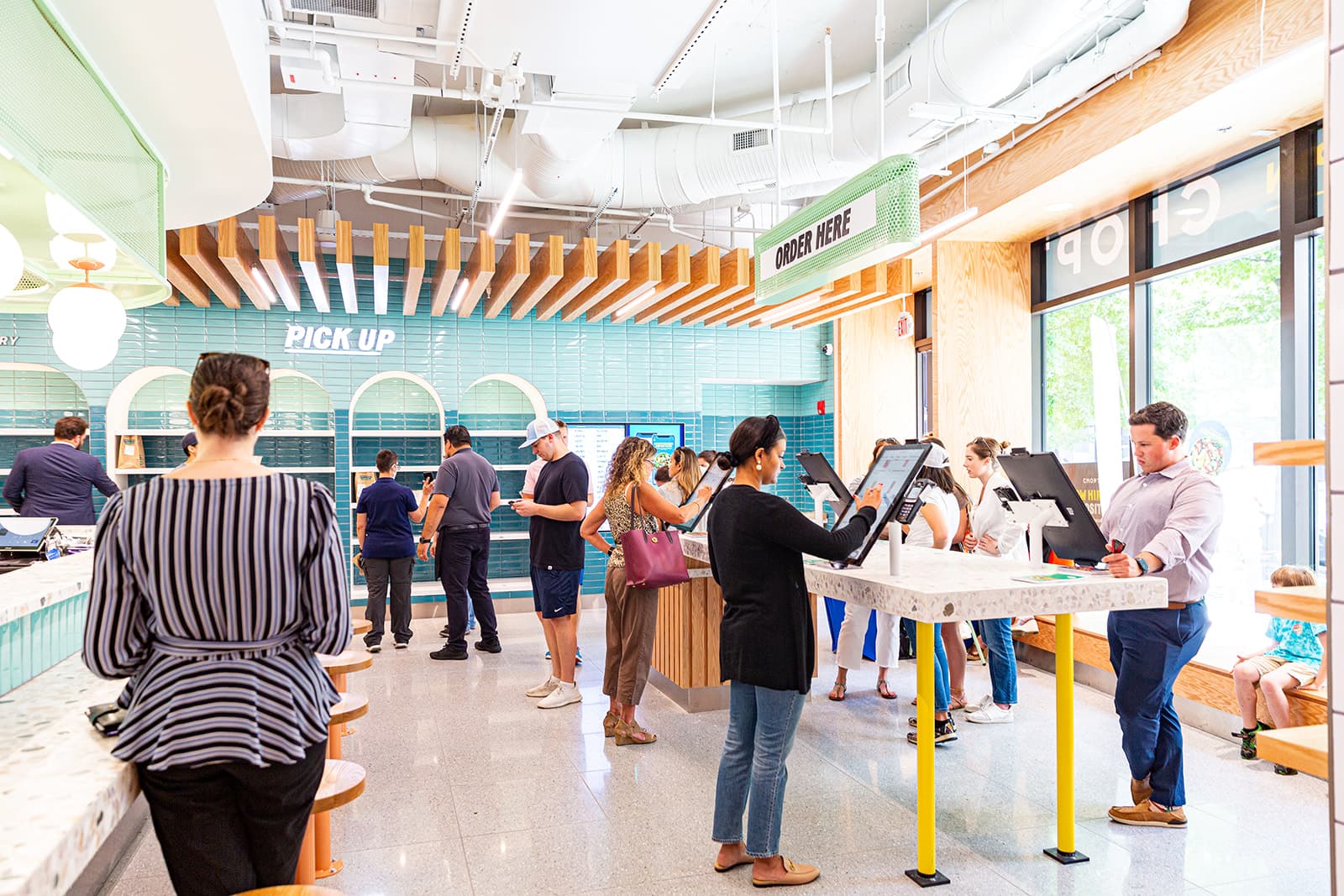
Capturing Growth in a Competitive Market
As the QSR market races toward $662 billion, the brands that will capture the lion’s share of growth are those making smart technology investments today. This means:
Choosing proven platforms: Not all restaurant technology delivers the same results. The best solutions combine intuitive user experiences with enterprise-grade reliability. Platforms like Bite’s kiosk software have demonstrated their ability to drive the outcomes that matter most—faster service, higher ticket sizes, and actionable customer insights.
Integrating seamlessly: Technology shouldn’t create more operational complexity. The right solutions integrate with existing systems and workflows, enhancing what already works while fixing what doesn’t.
Scaling efficiently: As brands grow, their technology needs to scale with them. Cloud-based platforms, standardized hardware deployments, and centralized management capabilities make it possible to maintain consistency across dozens or hundreds of locations.
The Path Forward
The $406 billion question isn’t really about market size—it’s about market share. With such substantial growth projected over the next five years, every QSR operator faces a choice: invest in the technology that will help capture a growing slice of an expanding pie, or risk falling behind competitors who are moving faster.
The performance gap between technology leaders and laggards will only widen. Customers increasingly expect digital ordering options, personalized experiences, and frictionless service. Labor costs will continue rising, making operational efficiency more critical than ever. And the brands using technology to meet these challenges head-on will be the ones writing the next chapter of QSR market trends.
The winners have already made their choice. The question is whether others will follow before the opportunity passes them by.